 SouthernCostaRica.com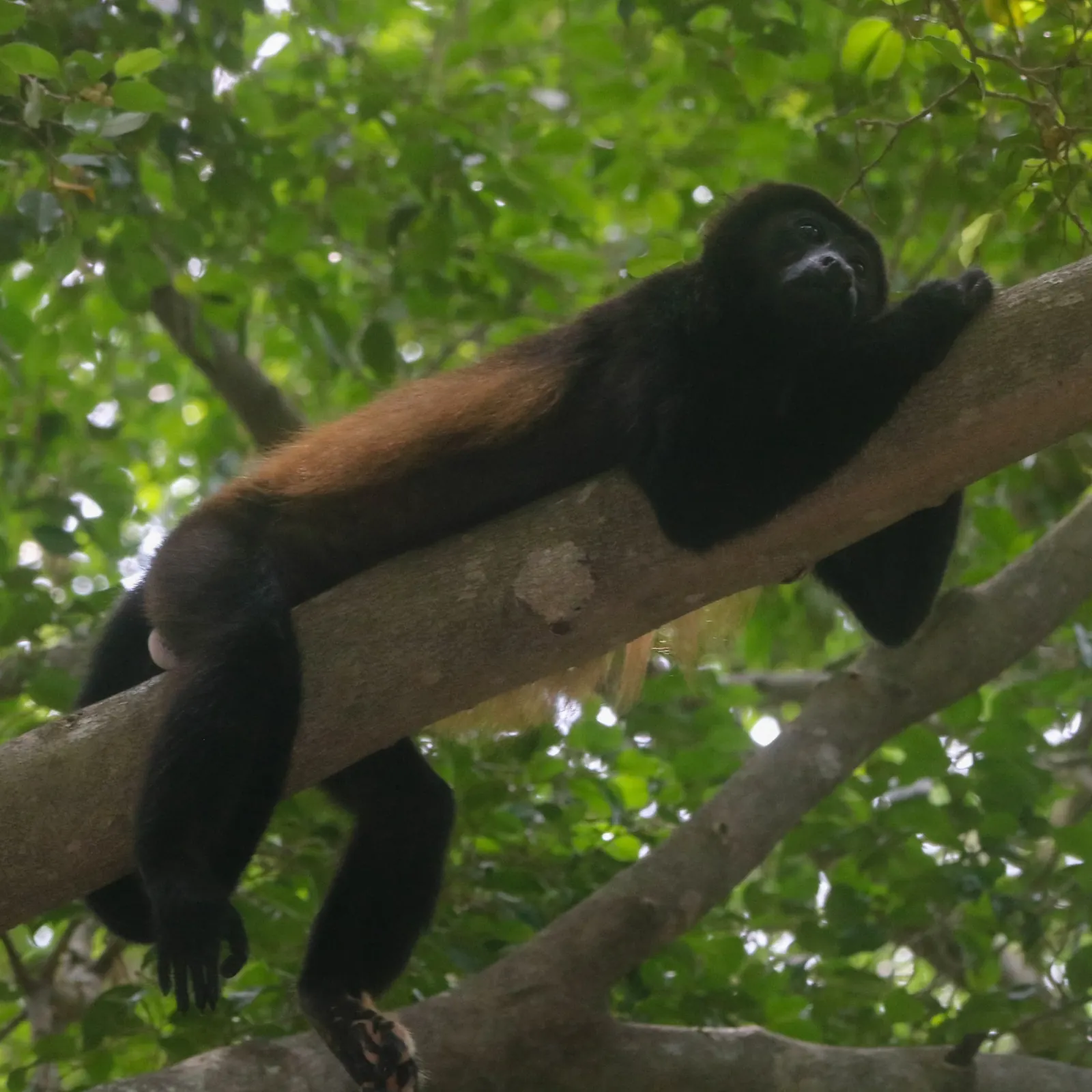
Southern Costa Rica packs rainforest, mangroves, a tropical gulf and high mountain grassland into a few hours of driving. Plan where to look for wildlife, when whales visit, where to go birding and how to watch animals without disturbing them. It suits nature lovers, photographers and families who want to plan wildlife days around the right season and the right guide.
No tour can promise a sighting. Animals can be seen on many walks and boat trips, but patience, timing and a local guide make a real difference.
Where to look
Rainforest. Corcovado National Park protects what ICT calls the last portion of Mesoamerican Pacific rainforest. ICT notes that tapirs, herds of peccaries and howler, spider and white-faced monkeys can be seen there, and wild cats such as jaguars, pumas and ocelots are present but rarely seen.
The Osa and the gulf. On the Osa Peninsula and around the Golfo Dulce, ICT's Golfito-Jiménez guide names whales, dolphins, turtles, scarlet macaws and squirrel monkeys among the region's draws. The squirrel monkey here is found only on the central and southern Pacific coast.
Marine parks. Marino Ballena and Caño Island cover the coast near Uvita and the island reserve offshore from Drake Bay. Caño has coral reefs and marine life such as manta rays, dolphins and sea turtles.
Mangroves. The Térraba-Sierpe wetland, a Ramsar site near Sierpe, is a large mangrove forest that ICT recommends to nature lovers and birdwatchers.
Forest reserves on the coast. Near Dominical, Hacienda Barú National Wildlife Refuge has trails where sloths, white-faced capuchins and many birds can be seen.
Whale season
ICT identifies two humpback whale populations off Costa Rica's Pacific coast. Whales from the northern hemisphere visit from December to April, and whales from the southern hemisphere visit from July to November. Sighting areas ICT names include Bahía Ballena and Uvita, Drake Bay, Puerto Jiménez, Caño Island, the Golfo Dulce, Dominicalito and Sierpe.
Dolphins can be seen all year. Outside the two seasons, a whale tour becomes a dolphin and seabird trip, so book with that in mind.
Whale and dolphin tours:
- Bahía Ballena whale and dolphin tour, morning: leaves from Uvita after a 15-minute walk through Marino Ballena National Park to the boat. View on Viator Partner link
- Dolphin and whale watching in Drake Bay: a boat tour from Playa Colorado with an on-board hydrophone for listening to dolphins and whales. View on Viator Partner link
- Golfo Dulce whale watching with snorkeling and fishing: a boat trip from the Puerto Jiménez pier along the edge of Piedras Blancas National Park. View on Viator Partner link
Birding
The south has birding from sea level to the mountains. ICT's Osa guide includes a Corcovado bird-watching route, and the Golfito area lists macaws, parrots, pelicans, herons and owls among its birds.
Migratory birds pass through in season, and ICT's Osa guide lists a migratory bird festival in Puerto Jiménez and Golfito.
Higher up, Chirripó's highlands hold a very different set of birds. Costa Rica's National Museum counts 84 species in the Talamanca páramo, and more than half of the resident species are regional endemics found only in Costa Rica and western Panama. The resplendent quetzal is recorded there too.
Bring binoculars and a rain cover for your camera, since showers come and go quickly in the forest.
- Waterproof binoculars (birding/wildlife)View on Amazon Partner link
- Camera rain coverView on Amazon Partner link
- Insect repellent (picaridin)View on Amazon Partner link
- Red-light headlamp (night tours)View on Amazon Partner link
Guided walks and night tours
A local guide finds animals that many visitors walk past, and in Corcovado a registered guide is required. Night walks show a different side of the forest.
- Night walk in Drake Bay: a guided night walk with a biologist, looking for insects, bats and other night life. For guests staying in Drake Bay town (Agujitas). View on Viator Partner link
- Río Claro float with lunch: a guided float from Drake Bay where monkeys, sloths, lizards and tropical birds can be seen. View on Viator Partner link
Compare more Osa Peninsula activities on GetYourGuide.
View on GetYourGuide Partner linkResponsible viewing
Costa Rica's rules for cetacean watching come from Decree 32495-MINAE. They ban swimming or diving with whales and dolphins, and they set how close boats may approach, how long they may stay with a group of animals and how many boats may watch the same group. Mothers with calves get extra protection. Choose an operator that follows these rules, and ask the crew how they apply them.
On land, a few habits keep animals wild:
- Keep your distance, and never feed wildlife.
- Use a red light at night, and keep it off animals' eyes.
- Stay on marked trails, and follow your guide's lead.
- Pets aren't allowed in Costa Rica's protected areas, and you must carry your trash out.
Weather and sea conditions decide many wildlife days. Check current conditions with your guide or boat operator the evening before.
Plan it
If wildlife is the main reason for your trip, build your route around two or three bases rather than many short stops. A wildlife-focused 14-day route can include the whale coast, the Osa and the highlands.